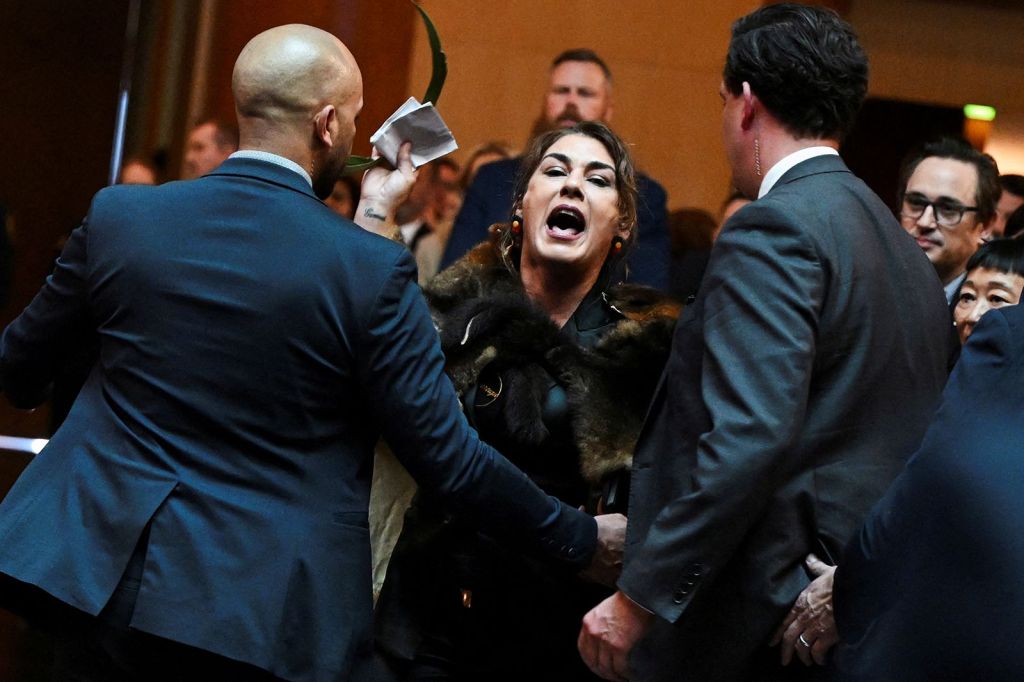
During his Australia visit, King Charles confronted by Indigenous Senator Lidia Thorpe, who condemned the monarchy’s colonial history and its impact on Indigenous peoples.
The intricate relationship between the British Crown and Indigenous peoples has once again become a focal point of public debate. This renewed attention stems from a tense incident during a visit by King Charles to Australia, which sparked strong reactions not only in the country but also across former Commonwealth nations, including Canada.
During a ceremonial moment in Australia’s Parliament, Independent Senator Lidia Thorpe, an Aboriginal Australian politician, took the opportunity to confront the King, condemning Britain’s historical treatment of Indigenous populations. Her vocal criticism underscored long-standing grievances about the Crown’s role in the colonization and exploitation of Indigenous peoples. The senator’s defiant stance—unprecedented in the Parliament—resulted in her being escorted out, while King Charles looked on. This public clash raised broader questions about the monarchy’s legacy in colonized nations.
Senator Thorpe’s message was clear: no elected official, not even the highest authorities in her country, would have dared to make such demands against the monarchy. Her impassioned plea resonated deeply with many in Canada, where similar frustrations have surfaced in recent years. Indigenous leaders in Canada have repeatedly called for an official apology from the Crown, particularly regarding the historical mistreatment of First Nations peoples.
In fact, during a visit to Canada in 2022, when Prince Charles was still heir to the throne, Indigenous leaders expressed their discontent, demanding an apology for the monarchy’s role in colonization. The criticism was further fueled by an incident in which Prince Charles was seen laughing during a performance by throat singers, an act that many viewed as disrespectful. For many Indigenous people in Canada, the Crown symbolizes nothing more than colonial oppression, a reminder of the painful legacy of imperialism.
The timing of King Charles’ tour through Australia and the surrounding calls for reparations and apologies reflects a broader trend across former colonies. As the King prepares to attend a Commonwealth summit in Samoa, several nations are expected to voice demands for acknowledgment of the monarchy’s role in the transatlantic slave trade and the long history of British imperialism. These calls for reparations, apologies, and other forms of accountability have been gaining momentum in recent years, particularly in countries that were once part of the British Empire.
Despite these mounting demands, it remains unlikely that King Charles will offer any formal apologies or restitution at the upcoming Commonwealth meeting. The monarchy’s refusal to confront its colonial past continues to fuel frustration in many parts of the world, particularly among Indigenous communities in Australia, Canada, and other former colonies.
This tension between the Crown and Indigenous peoples highlights the enduring legacy of colonialism, which is still deeply felt in many countries today. For many, the monarchy’s presence is a constant reminder of a painful history that remains unresolved. As calls for royal accountability grow louder, the question remains: will the monarchy ever acknowledge its role in the oppression of Indigenous peoples, or will these demands continue to be ignored?
As the conversation around reparations, apologies, and the monarchy’s colonial legacy intensifies, it’s clear that the relationship between the Crown and Indigenous peoples will remain a contentious issue for the foreseeable future. Senator Lidia Thorpe’s bold confrontation in Australia is just the latest chapter in a long history of resistance and demands for justice.
 decolonize.ca
Leave a comment